Timeless Trends: Combining Classic and Contemporary Styles with Paint Jun 09, 2026
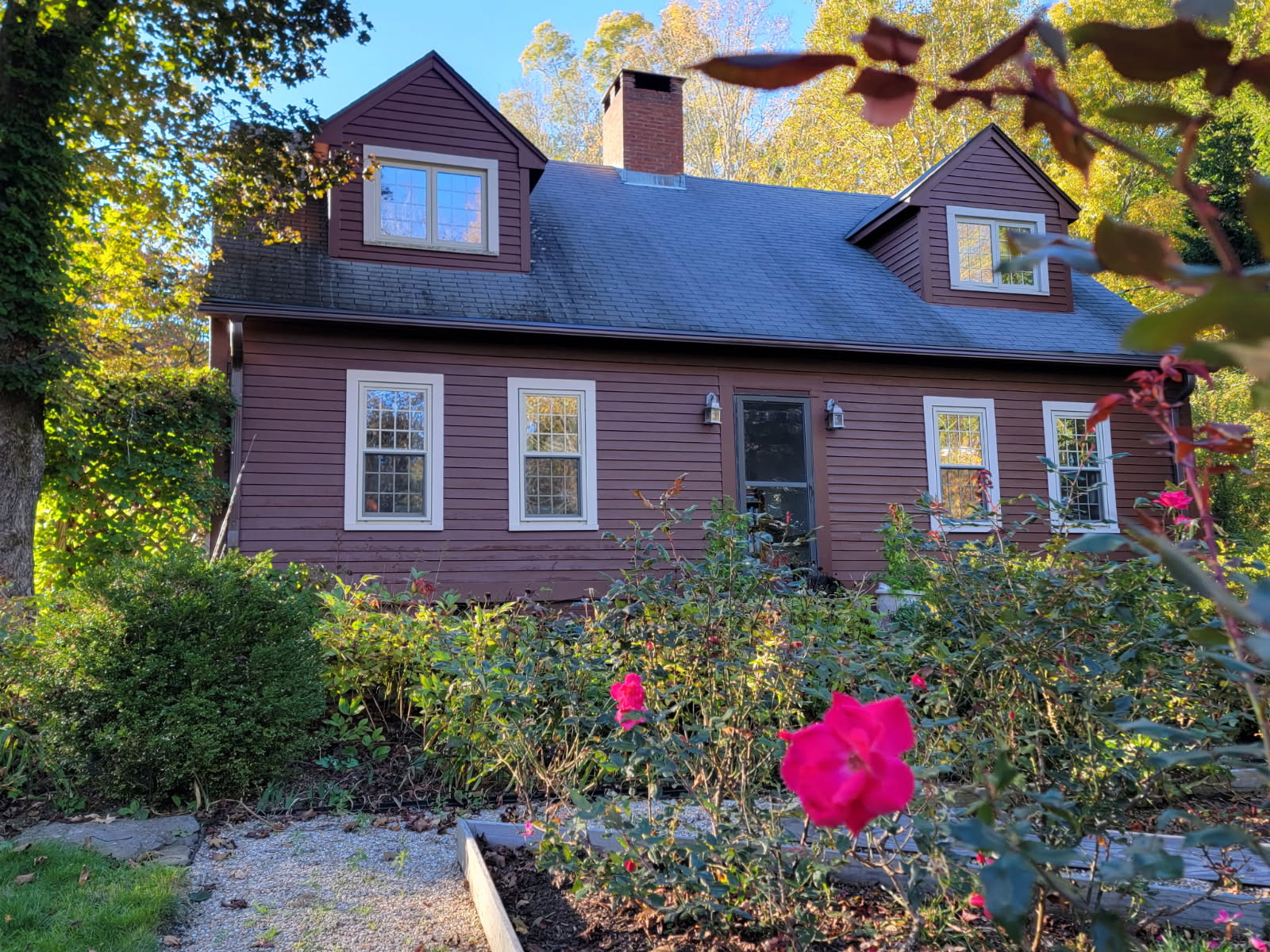
The charm of classic styles lies in their ability to evoke a sense of history and sophistication. Think about rich, muted colors like deep reds, navy blues, and forest greens. These tones conjure feelings of stability and comfort, reminiscent of grand, elegantly aged interiors. When integrating these hues, consider using them for feature walls or incorporating them as accent colors to reinforce architectural details like crown moldings or wainscoting. This selective use not only highlights the tradition but also keeps the space from becoming overwhelming.
In contrast, contemporary styles focus on simplicity, minimalism, and geometric lines. They often employ a lighter color palette with whites, grays, and beiges taking center stage. These tones offer a perfect backdrop for more vibrant accents found in furniture or artwork, enabling a space to breathe and feel open. For a truly contemporary look, consider using these neutral colors for the majority of your living spaces, as it allows for versatility while keeping the area looking clean and uncluttered.
The key to successfully merging classic and contemporary styles is balance. By letting the architectural details of your property guide your choice of classic colors, you can add depth and interest. Pair these with contemporary colors on broader surfaces like walls or ceilings to maintain a modern flair. For example, a living room with classic crown molding could be painted in a soft ivory, allowing it to stand out against walls in a light dove gray.
Apart from color, the finish you choose also plays a critical role in merging these styles. Classic styles often work well with matte or eggshell finishes that provide a more subtle, sophisticated look. Meanwhile, modern aesthetics benefit from gloss or semi-gloss finishes that reflect light and offer a sleek appearance. Imagine a room where muted, matte-colored walls interplay with glossy, contemporary furniture – the result is a balanced blend that is both inviting and fresh.
Don’t forget the power of texture in tying your theme together. Textured paint finishes or faux painting techniques can add an element of classic luxury to modern rooms. Techniques such as Venetian plaster or stucco finishes can create depth and interest, enhancing richly colored walls with a tactile dimension.
Finally, before embarking on this journey, consider consulting with professional painters like Premier Pro Painters Home Improvement. Our expertise in color consultation and in-depth understanding of both painting styles can provide guidance and inspiration. Combining classic and modern elements can elevate your space to reflect both the heritage and the innovation in one seamless experience.
In conclusion, blending classic and contemporary styles with paint is not just about color selection but involves a thoughtful approach to harmony and contrast. By carefully considering elements such as balance, texture, and finish, you can create a timeless look that transcends trends and speaks to your unique tastes. Whether you’re renovating a single room or an entire building, this harmonious blend is sure to leave a lasting impression on everyone who steps through your doors.
/filters:no_upscale()/filters:format(webp)/media/0a6681d0-4997-46d0-892f-1d59d86fcea6.jpeg)